While international research projects often last only a few months, procuring equipment and materials in Serbia can take nearly as long. As a result, domestic research institutes lose valuable time waiting for procurement procedures and imports to be completed, reducing their ability to meet project timelines and making them less competitive for international funding opportunities, despite possessing the necessary expertise and competencies.
An analysis conducted by NALED and BIO4 Campus during 2025 showed that 38 out of Serbia’s 65 accredited research institutes carry out public procurement procedures with a total value exceeding €100 million. Approximately one-third of these procurements relate to items directly used in research and development, including chemicals, laboratory and optical equipment, and computer hardware.
The challenges faced by domestic research institutes primarily stem from a lack of internal capacity to conduct procurement procedures efficiently. In practice, most institutes employ only one public procurement officer. An additional challenge is the inadequate planning phase, during which more flexible procurement mechanisms that could accelerate the process are often not considered. At the same time, internal institutional procedures may be unnecessarily complex, even though such requirements are not prescribed by the Public Procurement Law.
To address these issues, NALED, through the project More Efficient Public Procurement and Sustainable Supply Chains for Improved Competitiveness, supported by the Government of Sweden, provides direct assistance to research organizations to strengthen their capacities and make better use of the techniques and opportunities available under the Public Procurement Law. The goal is to accelerate procurement procedures while ensuring full transparency throughout the process.
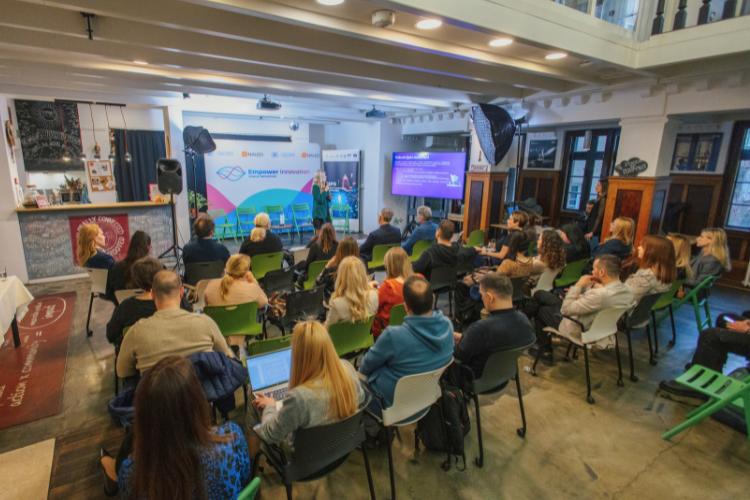
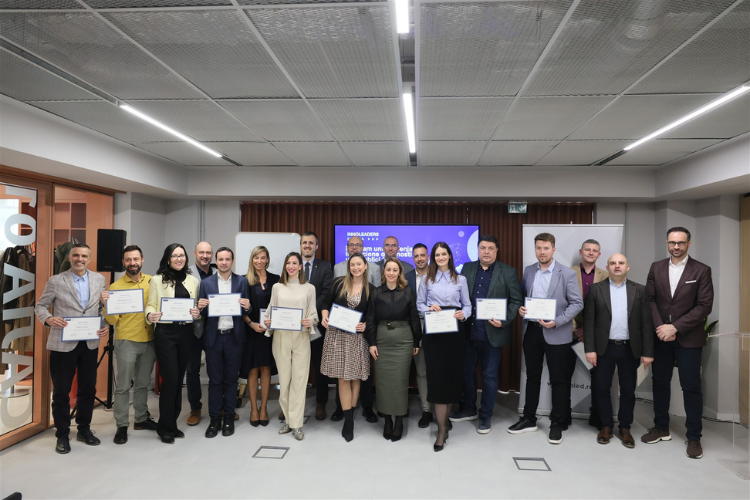
In cooperation with BIO4 Campus, five training sessions have so far been organized in Belgrade, Novi Sad, and Niš, bringing together more than 80 representatives of research institutions from across Serbia. In addition, “open-door” consultations were held, allowing institutes to present specific cases and receive expert advice.
Furthermore, NALED experts are providing direct support to the Vinča Institute of Nuclear Sciences and the Faculty of Technology and Metallurgy, University of Belgrade in implementing dynamic purchasing systems, which will significantly accelerate the procurement of goods such as chemicals, reagents, and other materials used in research activities. These two research organizations were selected as pilot institutions due to the high volume of their research-related procurements. The experience gained through the implementation of dynamic purchasing systems will serve as a best-practice example and a foundation for wider adoption of this model.
As a result of these activities and the most common questions raised by representatives of research organizations during training sessions, workshops, and direct communication with NALED, a practical Public Procurement Guide tailored to the needs of research organizations has been developed.
The Guide is structured in a question-and-answer format and includes practical examples. It consists of three sections that follow the chronology of the public procurement process, preparation, implementation, and contract management, allowing users to easily find answers to challenges specific to each phase. A dedicated section focuses on instruments provided by the Public Procurement Law that are rarely used by research institutes, particularly framework agreements and dynamic purchasing systems. These mechanisms enable contracts to be awarded quickly once a project is approved and funding is secured, without the need to launch a full procurement procedure for every individual requirement.
In the coming period, NALED will continue providing direct support to Serbian research organizations in strengthening their internal capacities and improving their competitiveness on the global market, particularly through recommendations on how to streamline and accelerate internal procedures.
The Guide can be downloaded here.
Photo source: Shutterstock