More than half of bidders are satisfied with the public procurement system, but trust needs to be strengthened
More than half of bidders are satisfied with the public procurement system in Serbia, although the number of those who rate it positively is declining, while one in five identifies the risk of corruption as the key issue. One third of citizens also consider the system to be good, as do the majority of contracting authorities, according to a new NALED survey on the perception of public procurement in Serbia.
The results of the survey, conducted within the project “More Efficient Public Procurement and Sustainable Supply Chains for Good Governance,” supported by the Government of Sweden, show that two-fifths of citizens are familiar with the public procurement system, while 60% do not believe that procedures are carried out in a fair and transparent manner. At the same time, trust in non-governmental organizations is growing, and they are now seen as the most reliable source of information by one third of citizens.
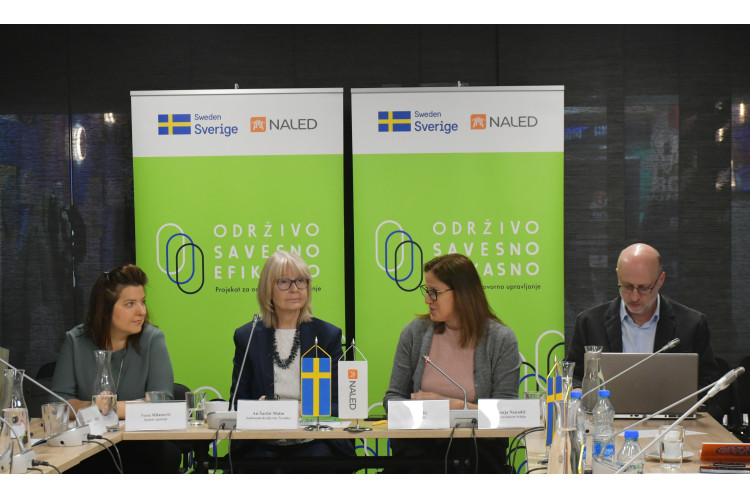
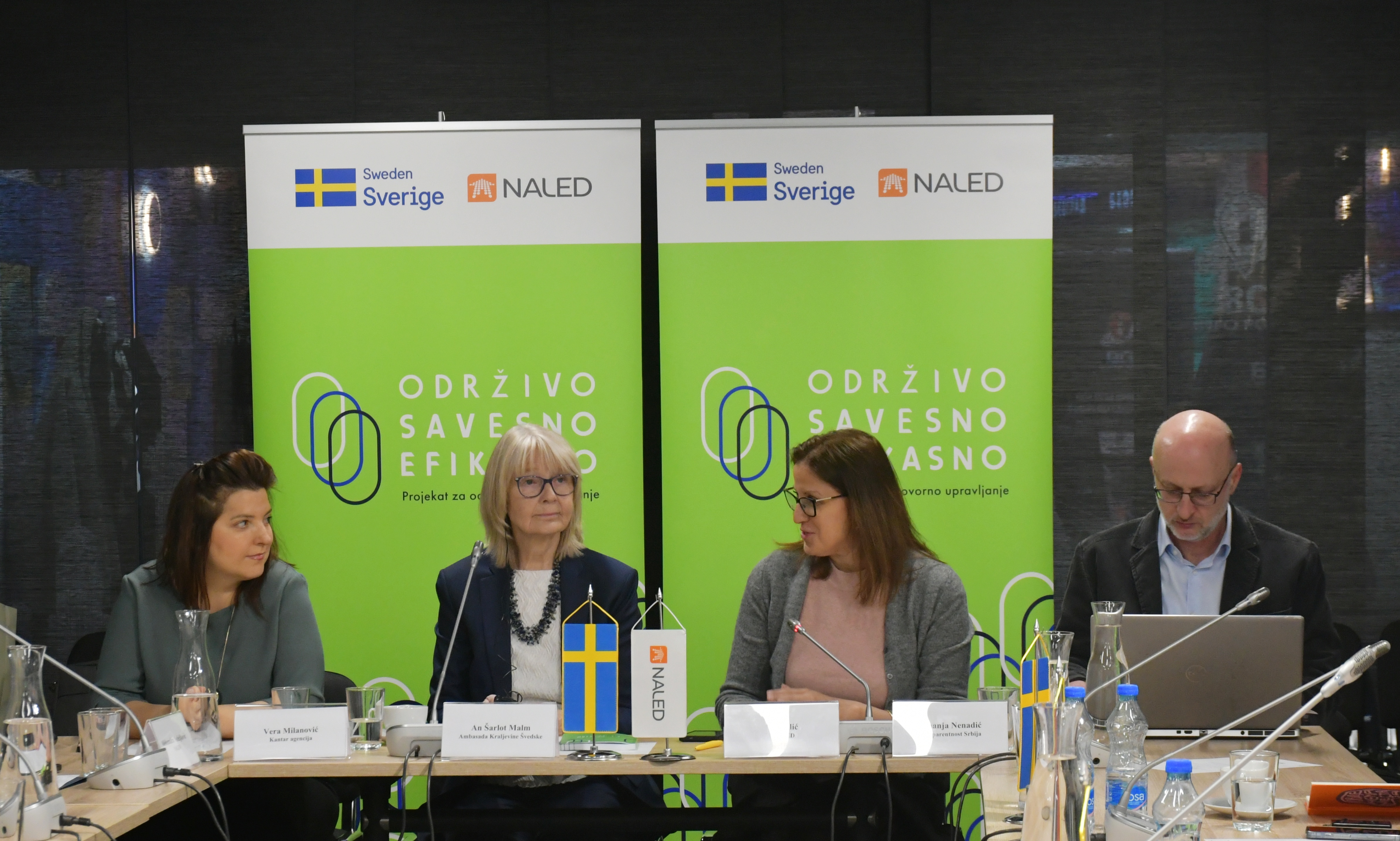
According to the latest available data for 2024, approximately nine billion euros were spent through public procurement, which shows that it is not only an important instrument for ensuring quality public services, but also a powerful tool for supporting economic development, particularly for small and medium-sized enterprises, which account for 75% of the total number of contracts awarded. It is therefore important to increase competition, but also to continue efforts to expand green procurement, whose share in 2024 doubled compared to the previous year, said Ana Ilić, Director for Good Governance and Projects at NALED, at the presentation of the survey today.
Nemanja Nenadić, Program Director of Transparency Serbia, pointed out that more companies should be encouraged to participate in public procurement and to report irregularities. When it comes to oversight, 92% of citizens called for strict control, and despite all other preventive mechanisms, it is clear that without adequate oversight, the system cannot be expected to function. The number of public procurement procedures subject to control in Serbia is not adequate, as too few cases fall under the monitoring of competent institutions, there is a low number of bidders, and audits by the State Audit Institution come too late, he said.
According to the survey results, all three groups of respondents agree that priority should always be given to quality when selecting bids, and that price should not be the sole criterion for awarding contracts. Healthcare is recognized as the sector requiring the most investment, followed by education and infrastructure.
Boštjan Ferk, Director of the Institute for Public-Private Partnership in Slovenia, believes that competition has declined in their countries and that the average number of bids in Serbia is now similar to that in Slovenia, which highlights the need to build trust in the system. This can be achieved by strengthening independent anti-corruption bodies, developing systems to monitor competition in order to learn from past mistakes, standardizing and digitalizing procedures, publishing annual procurement plans, and providing continuous training for all participants in the system, he stated.
An Charlotte Malm, Head of Development Cooperation at the Embassy of the Kingdom of Sweden, emphasized that Sweden’s public procurement system is highly decentralized, with around 3,700 contracting authorities, and that it is transparent and encourages competition. This has encouraged small and medium-sized enterprises to participate and innovate in order to win contracts, and has strengthened entire sectors such as clean technologies, digital services, and construction, Malm concluded.